
Globally, it is estimated that ~200,000-300,000a people live with wtATTR, which predominantly manifests as cardiomyopathy2-6

Disease Background and Pathophysiology
ATTR is a rapidly progressive, debilitating, and fatal disease caused by misfolded TTR accumulating as amyloid deposits in the heart, nerves, and other systems.1-6
ATTR is a multisystem disease that can be wild-type or hereditary.2-6

Globally, it is estimated that ~50,000 people live with hATTR, which can manifest as cardiomyopathy, polyneuropathy, or a mixed phenotype2-7
Early diagnosis is important for slowing disease progression8-10
aInformation based on Alnylam modeling data.
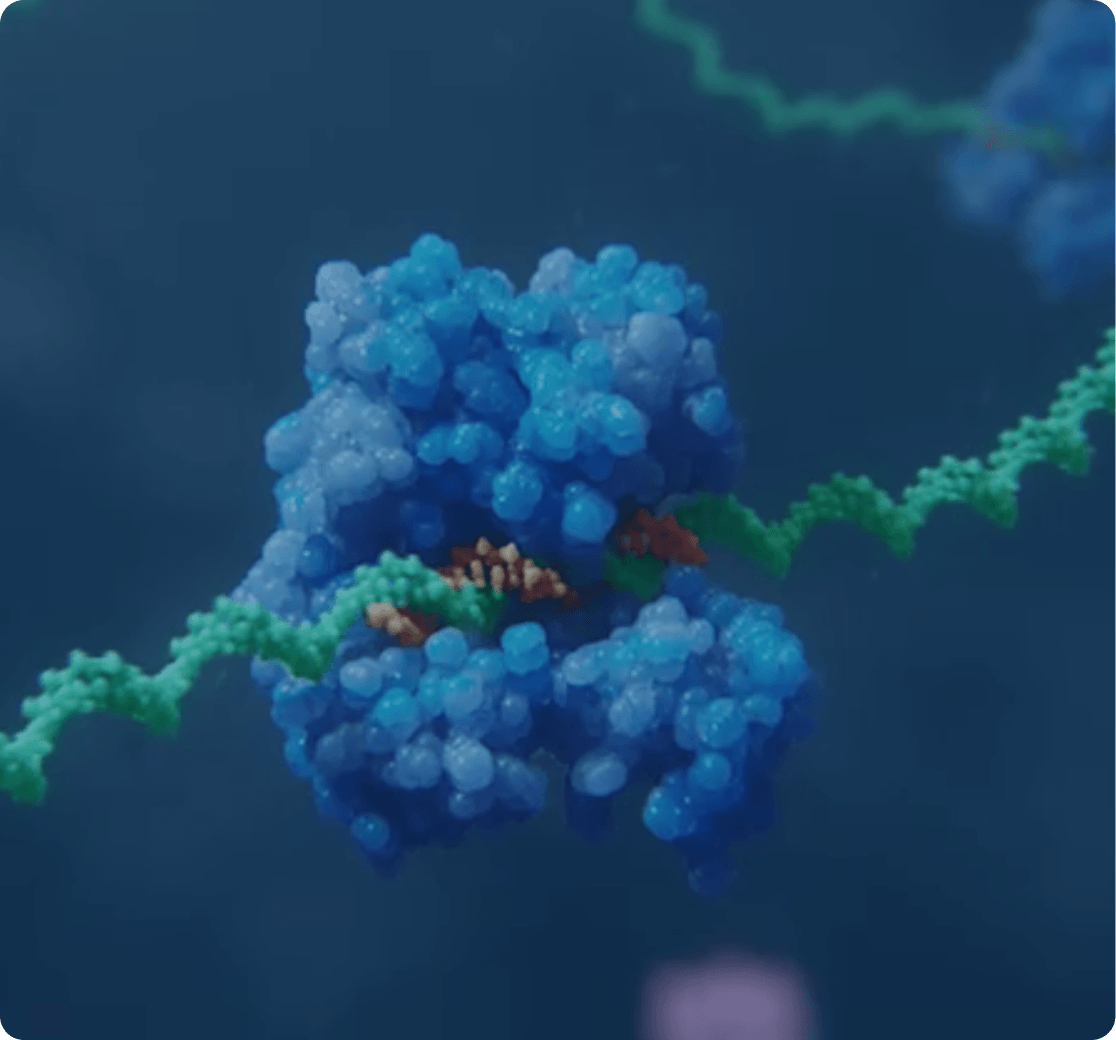
Pathophysiology of ATTR
Learn more about the pathophysiology of ATTR
WATCH NOW

aInformation based on Alnylam modeling data.

TTR Amyloid Formation10-12
Rotate your device to landscape mode and tap to view
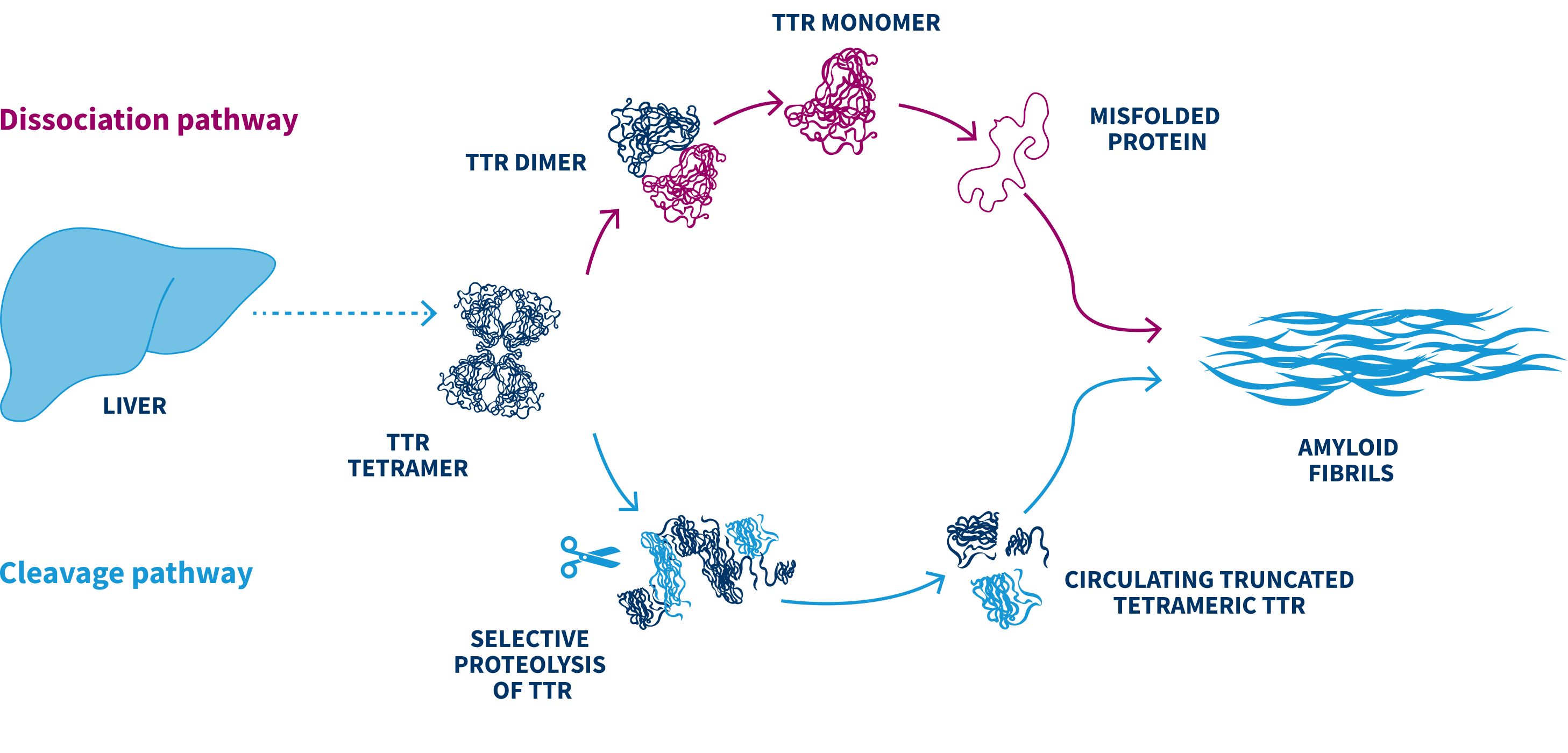
Figure adapted from Porcari A, et al. 2022.10 © The Author(s) 2022. Reproduced under CC BY 4.0 https://creativecommons.org/licenses/by/4.0/.
Rotate your device to landscape
TTR Amyloid Formation10-12
Figure adapted from Porcari A, et al. 2022.10 © The Author(s) 2022. Reproduced under CC BY 4.0 https://creativecommons.org/licenses/by/4.0/.
Recognizing and Diagnosing ATTR
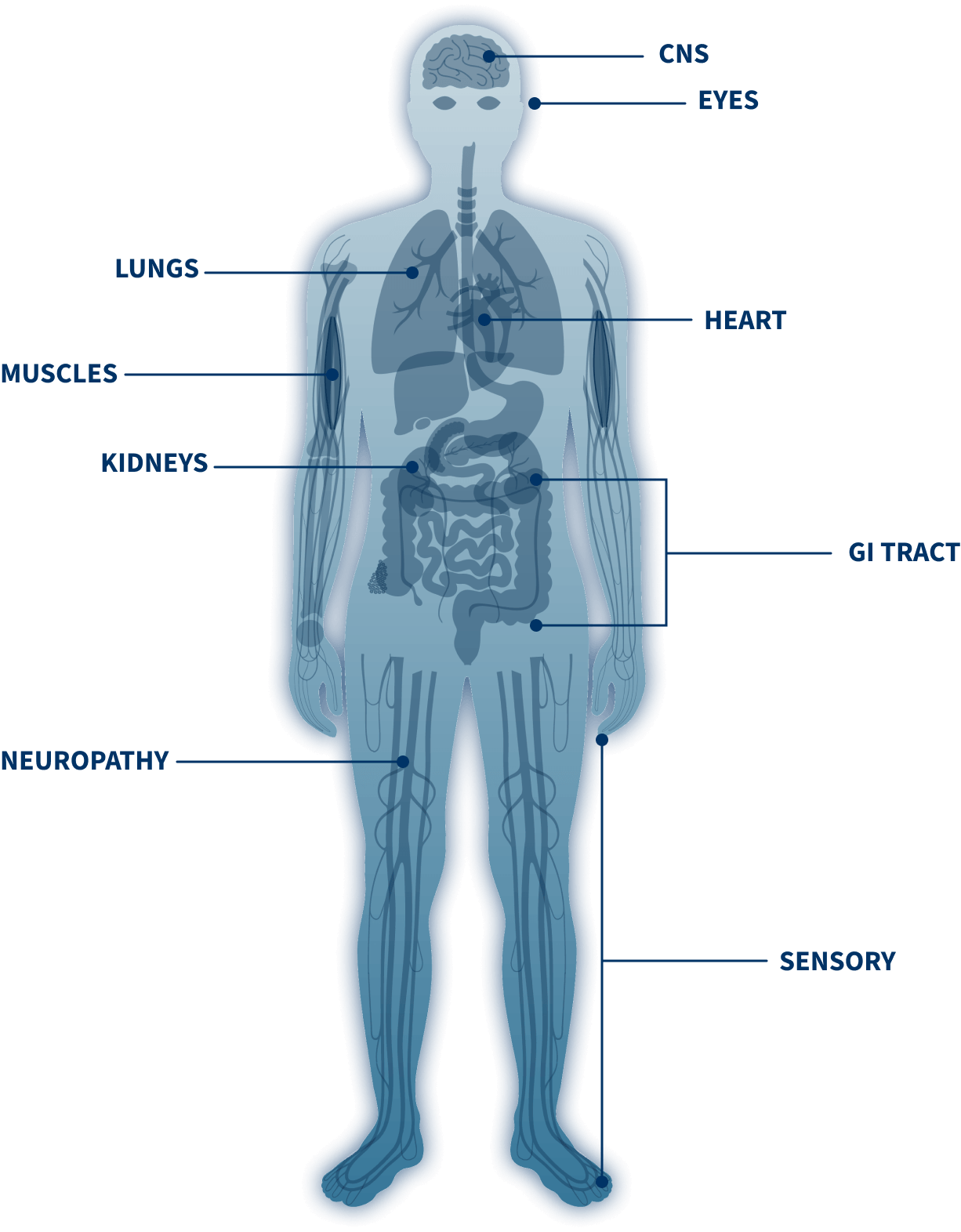
ATTR disease presentation is often nonspecific, heterogeneous, and multisystemic13
- Vitreous opacification
- Glaucoma
- Abnormal conjunctival vessels
- Pupillary abnormalities
Conceição I, et al. J Peripher Nerv Syst. 2016;21:5-9.
- Nausea and vomiting
- Changes in GI motility (ie, diarrhea, constipation, gastroparesis, early satiety)
- Unintentional weight loss
GI, gastrointestinal.
Gertz M, et al. BMC Fam Pract. 2020;21:198.
- Progressive dementia
- Headache
- Ataxia
- Seizures
- Spastic paresis
- Stroke-like episodes
- Hemorrhage
CNS, central nervous system.
Conceição I, et al. J Peripher Nerv Syst. 2016;21:5-9.
Planté-Bordeneuve V, Said G. Lancet Neurol. 2011;10:1086-1097.
- Neuropathic pain
- Altered sensation (ie, change in sensitivity to pain and temperature)
- Numbness and tingling
- Muscle weakness
- Impaired balance
- Difficulty walking
Conceição I, et al. J Peripher Nerv Syst. 2016;21:5-9.
- Proteinuria
- Renal failure
Gertz M, et al. BMC Fam Pract. 2020;21:198.
- Conduction blocks
- Cardiomyopathy
- Mild regurgitation
- Shortness of breath
- Edema
- Heart failure
- Atrial fibrillation
- Palpitations and arrhythmia
- Sinus node dysfunction
CV, cardiovascular.
Nativi-Nicolau JN, et al. Heart Fail Rev. 2022;27:785-793.
- Amyloid deposition with organizing pneumonia
- Diffuse alveolar septal amyloidosis
Ussavarungsi K, et al. Eur Respir J. 2017;49:1602313.
- Orthostatic intolerance
- Syncope
- Recurrent UTI (due to urinary retention)
- Sexual dysfunction
- Sweating abnormalities
- Vasomotor dysfunction
- Pupillomotor abnormalities
- Cardiac conduction disturbances and arrhythmias
UTI, urinary tract infection.
Conceição I, et al. J Peripher Nerv Syst. 2016;21:5-9.
- Carpal tunnel syndrome
- Lumbar spinal stenosis
- Spontaneous biceps tendon rupture
- Rotator cuff injury
- Osteoarthritis
- Finger tenosynovitis/trigger finger
Aldinc E, et al. BMC Musculoskelet Disord. 2023;24:751.
aIndividual case reports.

Without treatment, patients with ATTR‑CM have a marked decline in physical functioning and QoL, and a median survival of ~2.6-5.8 years from diagnosis14-16
Suspect ATTR‑CM
Recognize the clinical manifestations of ATTR‑CM, and identify patients at elevated risk of ATTR‑CM4,17
Suggestive Findings for ATTR‑CM8,18
Clinical
- Shortness of breath
- Edema
- Palpitations and arrhythmias
- Fatigue
- Heart failure symptoms
- Family history of heart failure
- Orthostatic hypotension
Imaging
- Increased left ventricular wall thickness
- Grade 2 or worse diastolic function
- Abnormal longitudinal strain with apical sparing
- Diffuse subendocardial or transmural LGE on CMR imaging with increased extracellular volume fraction
Electrical
- Conduction system disease/pacemaker
- Atrial fibrillation
- Pseudoinfarct pattern
- Discordant QRS voltage for degree or increased left ventricular wall thickness on imaging
Laboratory
- Persistent low-level troponin elevation
- Elevated BNP or NT-proBNP
High-Risk Populations19-24

Atrial fibrillation

Aortic stenosis
Extracardiac musculoskeletal manifestations
including carpal tunnel syndrome, spinal stenosis, or spontaneous biceps tendon rupture
Left ventricular hypertrophy
HFpEF
Diagnosing ATTR‑CM
Step 1
Rule out AL amyloidosis with monoclonal light-chain assays17
Step 2
Detect amyloid deposition in myocardial tissues with nuclear scintigraphy or cardiac biopsy17
Step 3
Once ATTR‑CM is confirmed, use genetic testing to determine if it is hereditary17
Diagnosing Suspected ATTR‑CM17,25,26
Rotate your device to landscape mode and tap to view
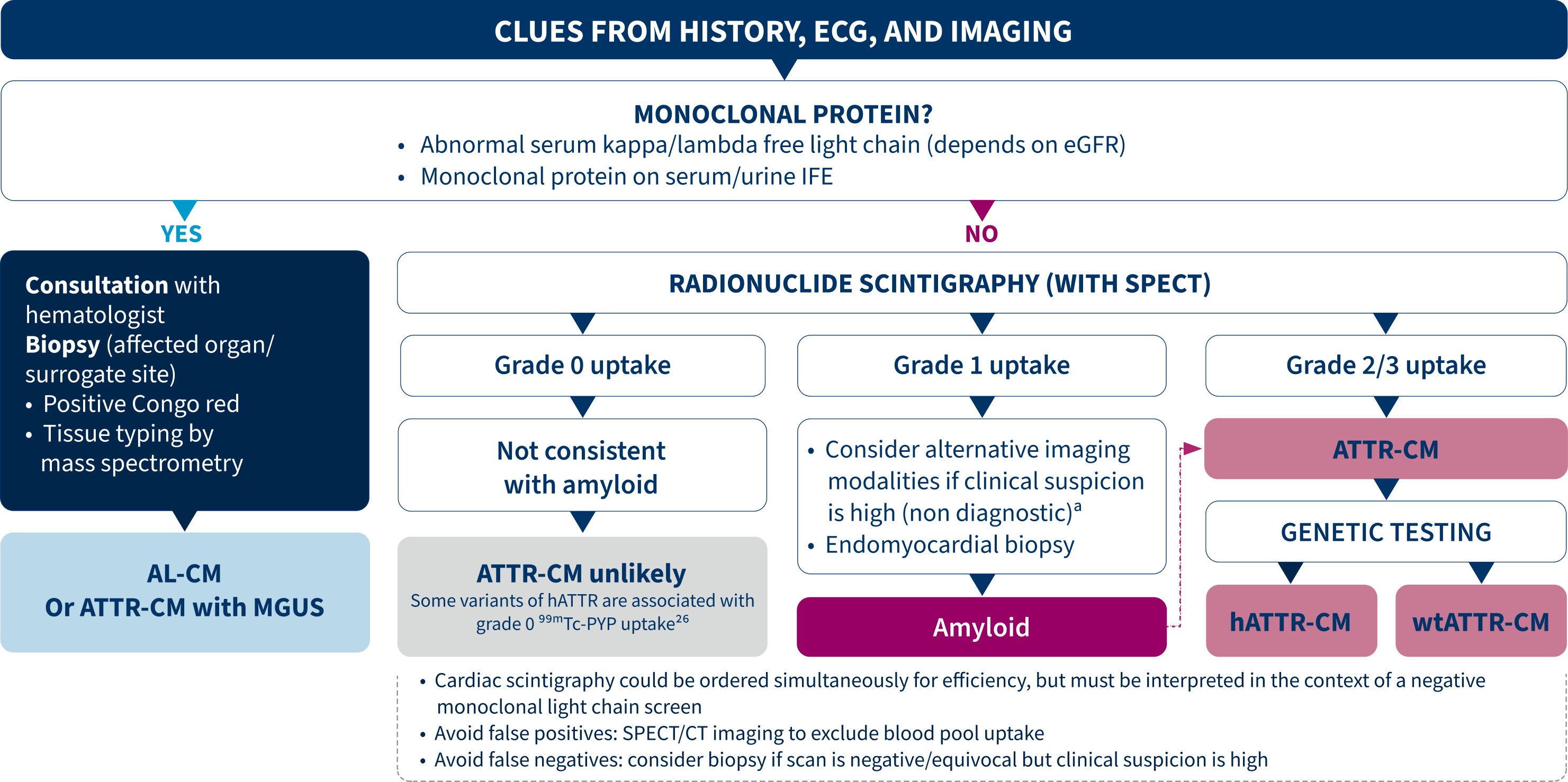
This algorithm has been independently developed by Alnylam based on the references cited and is not endorsed by, affiliated with, or sponsored by the American College of Cardiology or the American Heart Association.
aThis step is relevant if not already conducted earlier in the patient diagnostic journey to assess clinical suspicion.
Rotate your device to landscape
Diagnosing Suspected ATTR‑CM17,25,26
This algorithm has been independently developed by Alnylam based on the references cited and is not endorsed by, affiliated with, or sponsored by the American College of Cardiology or the American Heart Association.
aThis step is relevant if not already conducted earlier in the patient diagnostic journey to assess clinical suspicion.
Handout
ATTR Disease State
An overview of ATTR manifestations and the diagnostic tools that can be used to assess their presentation
View Material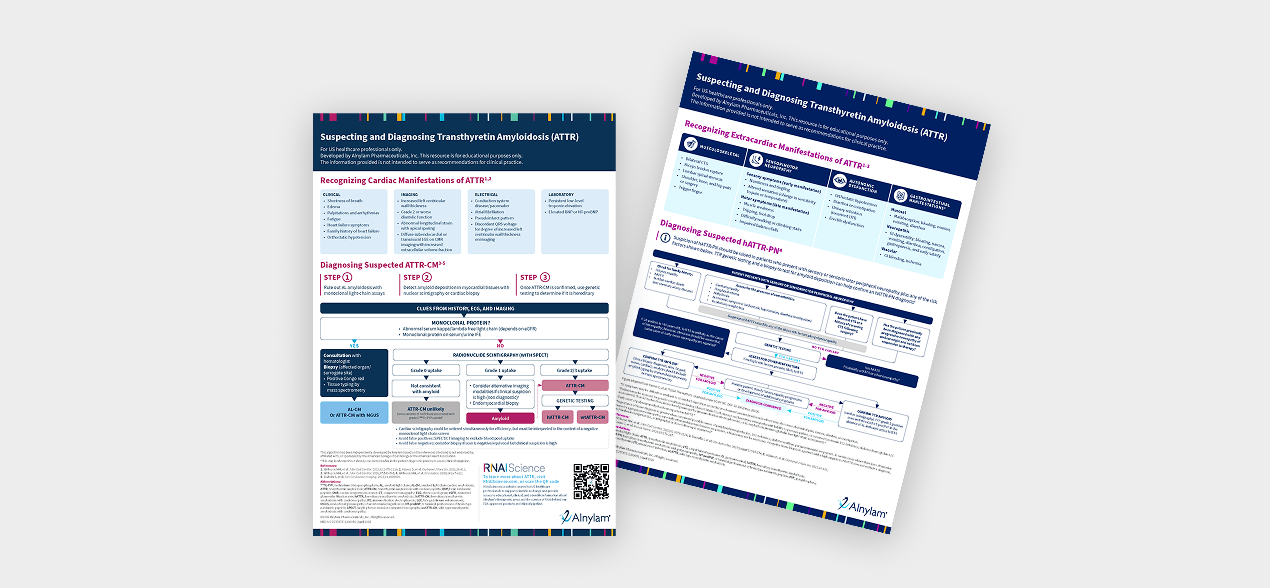
Without treatment, or when diagnosis is delayed, patients with hATTR‑PN have significant functional impairment and worsening QoL, and death generally occurs within 10 years4,27
Diagnosing Suspected hATTR‑PN28
Rotate your device to landscape mode and tap to view
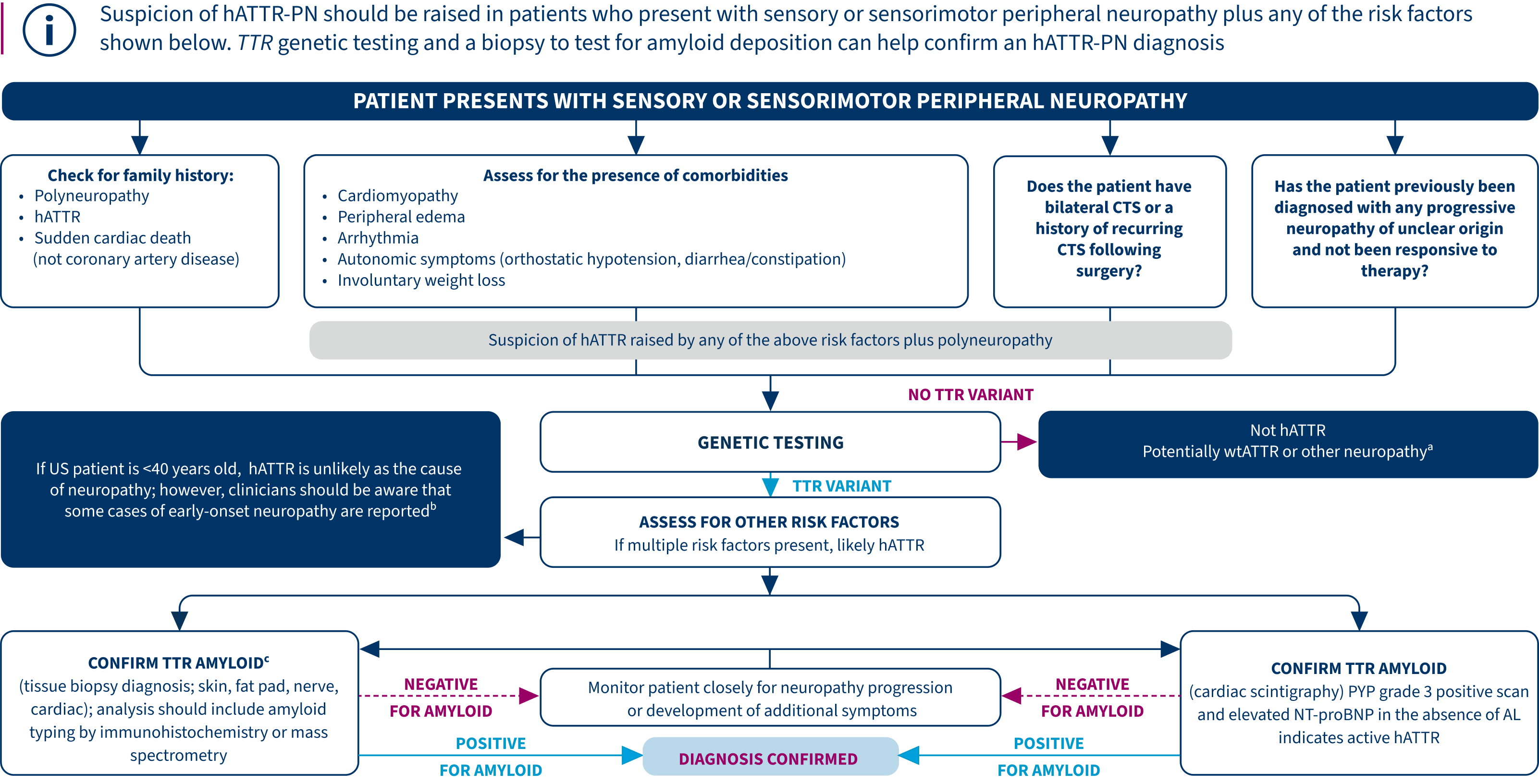
Figure adapted from Karam C, et al. © 2024 The Authors. Licensed under CC-BY-NC. DOI: 10.1002/mus.28026.
aPatients may be assessed for genetic conditions including Charcot-Marie-Tooth disease and hereditary neuropathy with liability to pressure palsies, or screened for vitamin B12 deficiency, diabetes (hemoglobin A1C assessment), thyroid dysfunction, monoclonal gammopathy (immunofixation electrophoresis), or AL amyloidosis (immunoglobulin free light chain assessment).
bEarly onset of polyneuropathy has been reported in hATTR.
cImportance of tissue diagnosis is greater when concurrent possible causes of peripheral neuropathy (i.e., B12 deficiency, diabetes mellitus, paraproteinemia) are present. In certain cases where there is no alternative cause for a progressive neuropathy, especially when multisystem features are present, a biopsy may not be necessary. A negative tissue biopsy in a patient with a high suspicion of hATTR does not exclude a diagnosis, and further investigation (i.e., scintigraphy) or close follow-up is warranted.
Rotate your device to landscape
Diagnosing Suspected hATTR‑PN28
Figure adapted from Karam C, et al. © 2024 The Authors. Licensed under CC-BY-NC. DOI: 10.1002/mus.28026.
aPatients may be assessed for genetic conditions including Charcot-Marie-Tooth disease and hereditary neuropathy with liability to pressure palsies, or screened for vitamin B12 deficiency, diabetes (hemoglobin A1C assessment), thyroid dysfunction, monoclonal gammopathy (immunofixation electrophoresis), or AL amyloidosis (immunoglobulin free light chain assessment).
bEarly onset of polyneuropathy has been reported in hATTR.
cImportance of tissue diagnosis is greater when concurrent possible causes of peripheral neuropathy (i.e., B12 deficiency, diabetes mellitus, paraproteinemia) are present. In certain cases where there is no alternative cause for a progressive neuropathy, especially when multisystem features are present, a biopsy may not be necessary. A negative tissue biopsy in a patient with a high suspicion of hATTR does not exclude a diagnosis, and further investigation (i.e., scintigraphy) or close follow-up is warranted.
Handout
ATTR Disease State
An overview of ATTR manifestations and the diagnostic tools that can be used to assess their presentation
View Material
Therapies and Management
There are a number of mechanisms for targeting TTR pathophysiology29
Rotate your device to landscape mode and tap to view
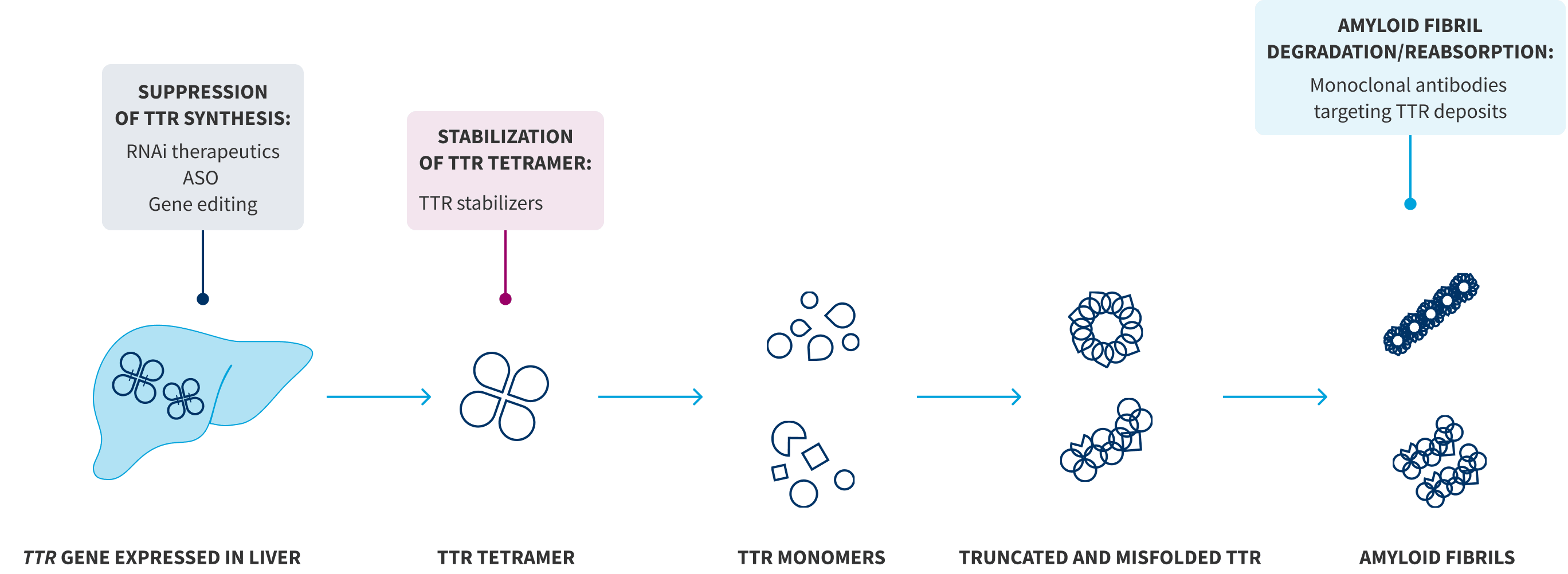
Image adapted from Ando Y, et al. 2022.29
Strategies include both approved therapies and investigational treatments in clinical trials.
Rotate your device to landscape
There are a number of mechanisms for targeting TTR pathophysiology29
Image adapted from Ando Y, et al. 2022.29
Strategies include both approved therapies and investigational treatments in clinical trials.
Additional ATTR Resources



Explore Additional Resources & Support


References: 1. Rozenbaum MH, et al. Cardiol Ther. 2021;10:141-159; 2. Gonzalez-Duarte A, Ulloa-Aguirre A. Int J Mol Sci. 2021;22:13158; 3. Adams D, et al. Nat Rev Neurol. 2019;15:387-404; 4. Nativi-Nicolau JN, et al. Heart Fail Rev. 2022;27:785-793; 5. Maurer MS, et al. J Am Coll Cardiol. 2016;68:161-172; 6. Ruberg FL, et al. J Am Coll Cardiol. 2019;73:2872-2891; 7. Hawkins PN, et al. Ann Med. 2015;47:625-638; 8. Kittleson MM, et al. J Am Coll Cardiol. 2023;81:1076-1126; 9. Jang SC, et al. Orphanet J Rare Dis. 2022;17:262; 10. Porcari A, et al. Cardiovasc Res. 2022;118:3517-3535; 11. Koike H, Katsuno M. Biomedicines. 2019;7:11; 12. Ibrahim RB, et al. Cell Mol Life Sci. 2020;77:1421-1434; 13. Gertz M, et al. BMC Fam Pract. 2020;21:198; 14. Lane T, et al. Circulation. 2019;140:16-26; 15. Aus dem Siepen F, et al. Clin Res Cardiol. 2018;107:158-169; 16. Givens RC, et al. Aging Health. 2013;9:229-235; 17. Kittleson MM, et al. J Am Coll Cardiol. 2026;87:549-565; 18. Adams D, et al. Orphanet J Rare Dis. 2021;16:411; 19. Griffin JM, et al. JACC CardioOncol. 2021;3:488-505; 20. Brito D, et al. Glob Heart. 2023;18:59; 21. Gonzalez-Lopez E, et al. Eur Heart J. 2015;36:2585-2594; 22. Castano A, et al. Curr Cardiovasc Risk Rep. 2017;11:17; 23. Damy T, et al. Eur Heart J. 2016;37:1826-1834; 24. Castano A, et al. Eur Heart J. 2017;38:2879-2887; 25. Kittleson MM, et al. Circulation. 2020;142:e7-e22; 26. Dorbala S, et al. Circ Cardiovasc Imaging. 2021;14:e000029; 27. Gonzalez-Duarte A, et al. Neurol Ther. 2020;9:135-149; 28. Karam C, et al. Muscle Nerve. 2024;69:273-287; 29. Ando Y, et al. Amyloid. 2022;29:143-155.
Abbreviations: 99mTc‑PYP, technetium-99m-pyrophosphate; AL, amyloid light chain; AL‑CM, amyloid light chain cardiac amyloidosis; ASO, antisense oligonucleotide; ATTR, transthyretin amyloidosis; ATTR‑CM, transthyretin amyloidosis with cardiomyopathy; BNP, B-type natriuretic peptide; CMR, cardiac magnetic resonance; CNS, central nervous system; CT, computed tomography; CTS, carpal tunnel syndrome; CV, cardiovascular; ECG, electrocardiogram; eGFR, estimated glomerular filtration rate; GI, gastrointestinal; hATTR, hereditary transthyretin amyloidosis; hATTR‑CM, hereditary transthyretin amyloidosis with cardiomyopathy; hATTR‑PN, hereditary transthyretin amyloidosis with polyneuropathy; HFpEF, heart failure with preserved ejection fraction; IFE, immunofixation electrophoresis; LGE, late gadolinium enhancement; MGUS, monoclonal gammopathy of undetermined significance; NT-proBNP, N-terminal prohormone of brain-type natriuretic peptide; PYP, pyrophosphate; QoL, quality of life; SPECT, single-photon emission computed tomography; TTR, transthyretin; wtATTR, wild-type transthyretin amyloidosis; wtATTR‑CM, wild-type transthyretin amyloidosis with cardiomyopathy.
MED-US-TTR-2600018
